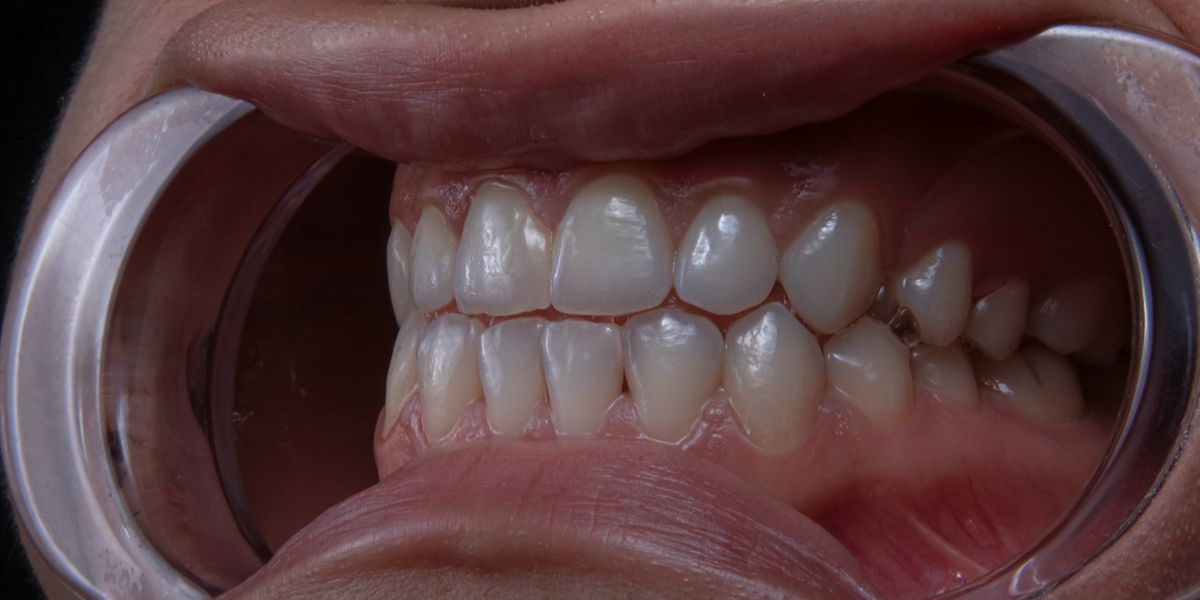
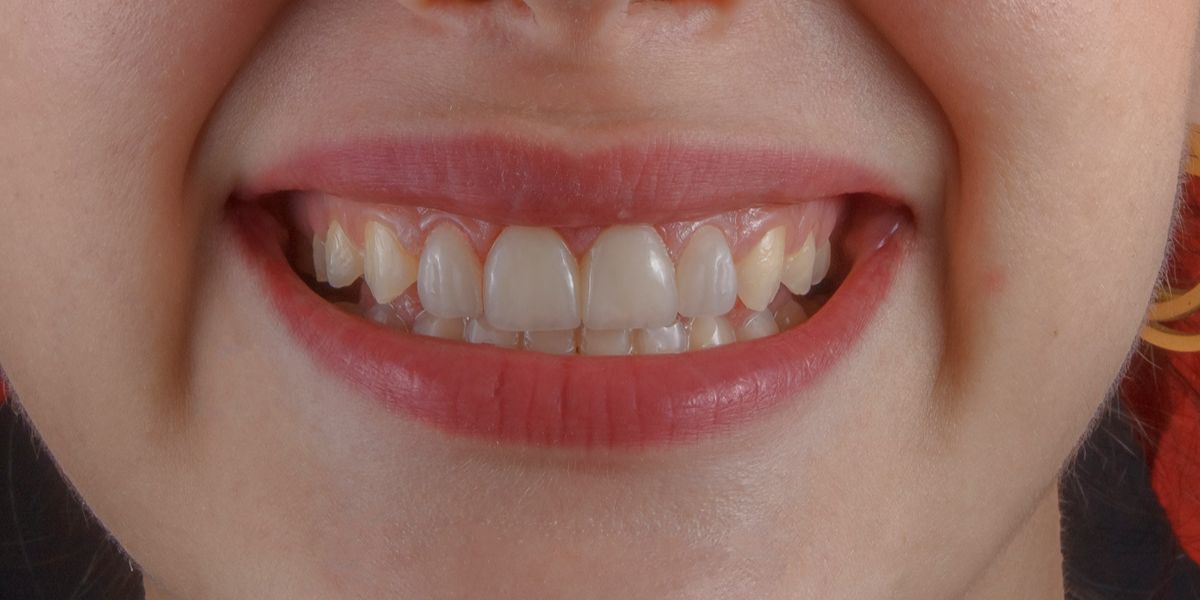
Teeth whitening should not make teeth sensitive in the long term, when done by a trained professional such as those at Harley Teeth Whitening. In very rare cases, clients who are prone to everyday tooth sensitivity may experience some mild sensitivity after a teeth whitening treatment. However, if your teeth are already sensitive it is strongly recommended you visit your regular dentist for a dental health check up before proceeding.
The treatments we provide at the clinic have been certified and tested by professionals to ensure your safety and comfort. Our team has participated in a thorough training programme to ensure highest proficiency in the cosmetic teeth whitening process. Our teeth whitening process is pain-free and we do everything we can to provide a relaxed, comfortable atmosphere to enjoy your treatment. Learn more about our pain-free teeth whitening treatment.
Here’s a selection of our previous clients discussing their treatments.
‘Very Professional clinic with a relaxed atmosphere. Everything was explained to me in detail and I felt totally comfortable during my treatment. Now I have gorgeous white teeth too!’ Tina Raval
‘I was a bit nervous but the lady who did my treatment was very kind and comforting, would definitely recommend this clinic.’ Sally Chiddick
‘I’m absolutely over the moon with the result and can’t believe how naturally white my teeth look. The care and attention to detail you and your team took was second to none and even the music in your surgery was great! The treatment lounge was very relaxing and the treatment time flew by very quickly.’ Thank you, T Arthur
Teeth whitening should not cause long-term sensitivity if done by a trained professional. In very rare cases, clients who are prone to everyday tooth sensitivity may experience some sensitivity after a teeth whitening treatment. However, if your teeth are already sensitive it is recommended you visit your regular dentist for a dental health check up before proceeding.
The treatments we provide at the clinic have been certified and tested by professionals to ensure your safety and comfort. Our team has participated in a thorough training programme to ensure highest proficiency in the cosmetic teeth whitening process. Our teeth whitening process is pain-free and we do everything we can to provide a relaxed, comfortable atmosphere to enjoy your treatment. Learn more about our pain-free teeth whitening treatment.
Here’s a selection of our previous clients discussing their treatments.
‘I’m absolutely over the moon with the result and can’t believe how naturally white my teeth look. The care and attention to detail you and your team took was second to none and even the music in your surgery was great! The treatment lounge was very relaxing and the treatment time flew by very quickly.’ Thank you, T Arthur
‘I was a bit nervous but the lady who did my treatment was very kind and comforting, would definitely recommend this clinic.’ Sally Chiddick
‘Very Professional clinic with a relaxed atmosphere. Everything was explained to me in detail and I felt totally comfortable during my treatment. Now I have gorgeous white teeth too!’ Tina Raval
It is a common misconception that teeth whitening hurts. Our teeth whitening process is designed to be pain-free and we do our utmost to provide a relaxed, comfortable atmosphere to enjoy your treatment. Learn more about our treatment.
In very rare cases, clients who are prone to everyday tooth sensitivity may experience some very mild and temporary sensitivity after a teeth whitening treatment. However, if your teeth are already sensitive we recommended you visit your regular dentist for a dental health check up before proceeding.
Here’s a selection of our previous clients discussing their treatments.
‘I’m absolutely over the moon with the result and can’t believe how naturally white my teeth look. The care and attention to detail you and your team took was second to none and even the music in your surgery was great! The treatment lounge was very relaxing and the treatment time flew by very quickly.’ Thank you, T Arthur
‘Very Professional clinic with a relaxed atmosphere. Everything was explained to me in detail and I felt totally comfortable during my treatment. Now I have gorgeous white teeth too!’ Tina Raval
‘I was a bit nervous but the lady who did my treatment was very kind and comforting, would definitely recommend this clinic.’ Sally Chiddick
Nobody needs teeth whitening in the way they need dental treatment for decay or gum disease. But for a lot of people, the reasons to consider it are more meaningful than purely cosmetic.
Why do teeth lose their whiteness?
Tooth discolouration is almost universal. It happens gradually, and for most people, it’s a combination of lifestyle, age, and simple biology rather than poor dental hygiene.
There are broadly three types of staining that cause teeth to look less white over time.
Surface staining
This is the most common and the most treatable. It builds up on the outer enamel as a result of food and drink – coffee, tea, red wine, dark berries, and tomato-based sauces are among the biggest culprits. Tobacco causes some of the most persistent surface staining of all. These extrinsic stains accumulate slowly, which is why many people don’t notice the change until they look at an old photograph.
Intrinsic staining
Intrinsic staining originates from inside the tooth, affecting the dentine beneath the enamel rather than the surface. It can be caused by certain medications, previous dental trauma, or fluorosis during tooth development. This type is harder to treat than surface staining, though professional whitening can still produce meaningful improvement.
Age-related discolouration
Age is the third category, and it affects everyone to some degree. As we get older, enamel naturally thins and becomes more translucent, allowing the naturally yellower dentine layer beneath to show through more prominently. It’s not something that brushing or diet changes can reverse – but it responds well to professional whitening treatment.
The honest reasons people choose to whiten their teeth
Teeth whitening isn’t medically necessary, but the reasons people seek it out are real and varied.
Confidence
For many, it comes down to how discoloured teeth affect confidence. Feeling self-conscious about your smile – whether in conversation, in photos, or in professional settings – has a cumulative effect on how you present yourself and how comfortable you feel in social situations. A brighter smile is a small change that people consistently describe as having a larger impact than they anticipated.
Big occasions
Others come to us ahead of a specific occasion. Weddings, job interviews, first dates, and significant birthdays are common triggers – situations where people want to feel at their best and know they’ll be photographed. The appeal of a 60-minute treatment with immediate results is obvious in that context.
Restoration
Some people simply want to restore what they once had. Years of coffee, tea, and the occasional glass of red wine have taken the shine off a smile that was once naturally bright, and professional whitening is the most direct way to get back there.
Why brushing alone isn’t enough to restore whiteness
This is one of the most common misconceptions. Good oral hygiene – brushing twice daily, flossing, regular hygienist appointments – is essential for healthy teeth and will slow the rate of staining. But it cannot reverse discolouration that has already taken hold.
The staining compounds found in coffee and tea, for example, work their way into the microscopic pores of tooth enamel over time. Standard toothpaste, even whitening toothpaste, can only address staining at the very surface. Whitening toothpastes in particular rely on mild abrasives rather than any genuine bleaching action, which means they wear enamel without producing the shade improvement people are often hoping for.
Professional whitening works differently. The whitening agent – applied at concentrations far beyond anything available over the counter – penetrates the enamel to break down the staining compounds from within, producing a genuine change in shade rather than surface cleaning.
Why professional treatment makes the difference
In the UK, teeth whitening is legally regulated and must be carried out by a GDC-registered dental professional. This isn’t a technicality – it reflects the fact that effective whitening uses concentrations of hydrogen peroxide that require professional oversight to be used safely.
The treatments available over the counter are capped at 0.1% hydrogen peroxide. A registered dentist can use up to 6%. That difference in concentration is what separates a treatment that produces a real, visible result from one that offers modest improvement at best.
At Harley Teeth Whitening, every treatment begins with a free consultation in which a dentist assesses your current shade, discusses what’s achievable, and shows you the likely outcome using a shade guide before anything begins. There are no vague promises – just a clear picture of what the treatment can do for your specific teeth.
If you’re curious about the range of improvement that’s typically possible,how many shades whiter teeth can go depends on a few individual factors, all of which are covered during that initial consultation.
Is it the right time for you?
For most healthy adults, there’s no wrong time to consider whitening. The treatment is pain-free, takes around an hour, and requires no recovery period. Some people choose to wait until just before a significant event; others simply decide they’ve been putting it off long enough.
There are a handful of circumstances where it’s worth taking extra care – laser teeth whitening during pregnancy, for instance, is an area where we’d always recommend discussing timing with your dentist first. And as with any dental treatment, any existing decay or gum issues should be resolved before whitening takes place.
For everyone else, the question of whether you need teeth whitening really comes down to a simpler one: would a brighter smile make a difference to how you feel? For most people who go ahead with treatment, the answer turns out to be yes.
If you’d like an honest assessment of what whitening could achieve for your teeth,book a free consultation at our Marylebone clinic – no commitment required.
It’s a fair question to ask before spending money on any cosmetic treatment. Teeth whitening is widely available, widely advertised, and comes in a huge range of formats and price points – so how do you know whether the investment actually delivers?
For most people who go ahead with professional treatment, the answer is a clear yes. But it’s worth understanding exactly what you’re paying for, what results are realistic, and why the type of whitening you choose matters more than many people realise.
What does professional whitening actually achieve?
Professional, in-clinic teeth whitening uses a light-activated whitening agent applied by a GDC-registered dentist. At Harley Teeth Whitening, the full treatment takes 60 minutes and typically lifts teeth by six to eight shades in a single session – results that are visible immediately and last anywhere from 18 months to two years with reasonable aftercare.
That’s a significant improvement from one hour in a clinic. For context, over-the-counter whitening strips and kits are legally limited to 0.1% hydrogen peroxide in the UK, compared to the 6% that a registered dentist can use.
The confidence factor
It’s easy to underestimate how much a visible change to your smile affects your day-to-day confidence. Discoloured teeth – even mild yellowing from years of coffee and tea – can make people self-conscious in social situations, in photos, and at work. It’s a subtle thing, but it accumulates.
Many people who have treatment describe the impact as disproportionate to the procedure itself. A 60-minute appointment produces a change that they notice every time they look in the mirror, and that others notice too. For something that requires no recovery time and causes no lasting discomfort, that’s a meaningful return.
Is it safe?
One of the most common hesitations is around safety – particularly for people who’ve heard stories about sensitivity or enamel damage from whitening products. With professional treatment, these concerns are largely unfounded.
In the UK, teeth whitening is legally regulated and must be carried out by a dental professional registered with the General Dental Council. Before any treatment begins, a dentist will assess your teeth and gums for any underlying issues that would need addressing first. Gum tissue is protected throughout the procedure, and the whitening agent is applied precisely to tooth surfaces only.
Results vary from person to person, and it’s worth going in with realistic expectations. The main factors are:
Your starting shade – the more discoloured your teeth, the more dramatic the visible improvement, though everyone has a natural upper limit.
The type of staining – surface stains from coffee, tea, and red wine respond exceptionally well; deeper, intrinsic staining from certain medications or trauma is more complex.
Existing dental work – crowns, veneers, and fillings won’t change colour during whitening, so it’s worth discussing any visible restorations during your consultation.
Age – enamel naturally thins over time, but professional whitening still produces strong results for older patients.
At Harley Teeth Whitening, we show you exactly what to expect before treatment begins, using shade samples to give you a clear and honest picture of the likely outcome. There are no vague promises.
How long do results last – and what’s the ongoing cost?
Results from a professional treatment generally last 18 months to two years. For anyone who wants to maintain consistently bright teeth, a touch-up session roughly once a year is typically all that’s needed. Each touch-up is the same 60-minute treatment, so there’s no lengthy process involved in upkeep.
When you break the cost down across 18–24 months of results – from a single appointment that takes less time than a lunch break – the value case becomes quite straightforward.
Yes, it’s worth it!
Professional teeth whitening delivers a real, visible result in a single session, with no downtime, no lasting side effects, and results that hold for the better part of two years. It’s carried out safely by qualified dentists, and the improvement in confidence that most people experience goes well beyond what a straightforward cosmetic treatment might suggest.
For the vast majority of people considering it, yes – it’s worth it.
When performed correctly by qualified professionals, teeth whitening does not damage your enamel. Understanding why will give you complete confidence in your decision.
What is tooth enamel?
Enamel is the outermost layer covering each tooth – the hardest substance in your body, even harder than bone. It protects the softer dentin and sensitive pulp underneath from temperature changes, acids, and physical wear.
It’s important to know that enamel doesn’t regenerate. Once damaged, it’s gone forever. Without adequate enamel, you experience increased sensitivity, higher risk of cavities, and yellowing as the darker dentin shows through.
This is precisely why your concern about whitening is entirely reasonable. Any cosmetic treatment should preserve – never compromise – this vital protective layer.
How professional whitening actually works
Professional teeth whitening uses peroxide-based compounds (hydrogen peroxide or carbamide peroxide). Here’s what happens:
The whitening gel is applied to your tooth surface. Peroxide molecules are small enough to pass through the porous enamel structure.
Once inside the tooth, peroxide releases oxygen ions that break apart the chromophore molecules responsible for discolouration.
These broken-down stain molecules become colourless or small enough to be washed away.
The critical point? The peroxide works on the stain molecules, not on the enamel structure itself. The enamel acts as a permeable gateway – allowing the whitening agent through without being chemically altered or eroded.
What scientific research tells us
Multiple peer-reviewed scientific studies have investigated whether peroxide-based whitening affects enamel. The findings are reassuring.
Clinical trials with human participants consistently show that whitening, when used according to professional guidelines, does not cause significant harm to enamel. Laboratory testing has found that whilst some whitening protocols cause slight temporary softening of enamel surface, this effect is reversible and returns to normal hardness within 24-48 hours.
Your enamel’s natural remineralisation process – where minerals from saliva redeposit into the enamel – helps reverse any minimal temporary effects within 24-48 hours after treatment.
Why professional whitening protects your enamel
The key difference between safe whitening and damaging whitening isn’t the whitening agent itself – it’s the context in which it’s used.
When you have your teeth whitened by GDC-registered dentists, multiple safeguards protect your enamel:
Pre-treatment assessment examines enamel condition and identifies any concerns
Protective barriers shield gums and soft tissue
Professional-grade products use optimal strength – strong enough for results, safe enough for enamel
Because professional treatment works so effectively in a single 60-minute session, your enamel’s total exposure to whitening agents is actually minimal. Compare this to at-home kits requiring daily application for 2-4 weeks – even with a weaker concentration, the cumulative exposure time is significantly longer.
When does whitening damage enamel?
While professional whitening is safe, certain circumstances can genuinely harm enamel:
Illegal whitening products
The British Dental Association has raised alarms about illegal products containing hydrogen peroxide concentrations exceeding 33% (over 50 times the legal limit). These can cause permanent enamel destruction, gum shrinkage, nerve damage, and even tooth loss.
Beauty salon “teeth whitening”
In the UK, it’s illegal for anyone other than GDC-registered dental professionals to perform teeth whitening. These operators can’t identify cavities, gum disease, or thin enamel, and often use unregulated products.
Overuse of at-home products
Even legitimate over-the-counter products can damage enamel when used more frequently than directed or combined with multiple whitening products simultaneously.
Whitening with pre-existing conditions
People with enamel erosion, exposed dentin, or active cavities shouldn’t whiten without dental supervision.
What to expect from normal effects vs damage
Understanding what’s normal helps you distinguish safe whitening from problems.
Normal temporary effects (not damage)
Mild sensitivity to hot or cold for 24-48 hours is common and indicates enamel pores are temporarily open. This resolves naturally during remineralisation. Teeth may feel slightly rough immediately after treatment, but this normalises within 24 hours as saliva remineralises the surface.
These effects are temporary, harmless, and expected – they don’t indicate damage.
Warning signs of actual damage
Conversely, these symptoms suggest something has gone wrong:
Severe, persistent pain that worsens over days
Visible white or brown spots on enamel
Sensitivity that doesn’t improve after a week
Gum recession or tissue damage
If you experience any of these, seek professional dental assessment immediately.
Protecting your enamel after whitening
The 48 hours following treatment are critical for enamel remineralisation:
Avoid staining foods and drinks
Wait 30 minutes before brushing to allow enamel pores to begin closing
Use a soft-bristled brush and skip whitening toothpaste
Drink water to support remineralisation.
Long-term, maintain your results and enamel health with regular dental hygienist visits, proper brushing technique, and limiting acidic foods and drinks.
Professional teeth whitening performed by qualified dentists using UK-approved products does not damage enamel. The science is clear: peroxide targets organic stain molecules, not the mineral structure of enamel. Brief exposure to professional-grade whitening, followed by natural remineralisation, produces no lasting structural changes.
At Harley Teeth Whitening, every treatment is performed by GDC-registered dentists who prioritise your safety alongside your results. We understand your concerns about enamel – that’s why we use only UK-approved products, apply precise protective measures, and provide comprehensive aftercare guidance.
Professional whitening isn’t cheap, and you want to know you’re getting value for your investment. The good news? With proper care, your results can last 18-24 months. The even better news? You have significant control over how long your bright smile endures.
The baseline: 18-24 months with proper maintenance
Professional LED light-activated whitening, like the treatment provided at Harley Teeth Whitening, typically delivers results lasting 18-24 months. This assumes you follow proper aftercare and maintain reasonable lifestyle habits.
This longevity far exceeds over-the-counter alternatives. Shop-bought whitening strips or kits – using only 0.1% hydrogen peroxide due to UK regulations – produce results lasting just 2-6 months. The dramatically stronger concentration permitted in professional treatments (up to 6% hydrogen peroxide) creates deeper, more lasting whitening.
However, the 18-24 month timeframe isn’t guaranteed. Your specific results depend on several controllable factors.
What determines how long your whitening lasts
Your lifestyle habits
The single biggest factor affecting longevity is what you eat and drink. Certain substances stain teeth more aggressively than others:
High-staining culprits:
Coffee and black tea (tannins bind to enamel)
Red wine (chromogens and acids)
Dark fizzy drinks
Berries and tomato-based sauces
Curry and turmeric-heavy dishes
Tobacco (the absolute worst offender)
If you’re a multiple-cups-per-day coffee drinker or regular red wine enthusiast, expect results closer to 12-18 months. If you rarely consume staining foods and drinks, you might extend results beyond 24 months.
Your oral hygiene routine
Excellent daily care significantly extends the longevity of whitening. Plaque and tartar buildup create rough surfaces that make stains more likely to accumulate. Conversely, meticulous cleaning keeps enamel smooth and resistant to new discolouration.
Essential maintenance:
✓ Brush twice daily for two minutes ✓ Floss or use interdental brushes daily ✓ Rinse with water after consuming staining foods/drinks ✓ Visit your dental hygienist every six months
Professional cleanings remove surface stains before they become embedded, essentially “refreshing” your whitened teeth between treatments.
The critical first 48 hours
The immediate aftercare period dramatically affects long-term results. For 48 hours after whitening, your enamel pores remain slightly open, making teeth temporarily more vulnerable to staining.
During this window, strictly avoid all staining foods and drinks. Follow the “white diet” – white fish, chicken, pasta, rice, white cheese, cauliflower, bananas. This allows enamel to fully remineralise and seal, establishing the foundation for lasting results.
Patients who ignore this advice and immediately return to coffee, red wine, or curry often see noticeably faster fading.
Your natural tooth characteristics
Some people’s teeth simply hold whiteness longer than others due to genetic factors:
Enamel porosity – More porous enamel absorbs stains more readily.
Dentin colour – The underlying yellow layer shows through thinner enamel more quickly.
These factors are beyond your control, but understanding them helps set realistic expectations.
What shortens whitening longevity?
Certain habits and choices accelerate the return of discolouration:
Smoking or vaping – Nicotine and tar create persistent yellow-brown stains. Smokers might see results fade within 6-12 months.
Frequent staining beverage consumption – Multiple coffees or teas daily means constant enamel exposure to tannins.
Poor oral hygiene – Plaque buildup creates textured surfaces that trap stains more effectively.
Acidic food and drink – Acids temporarily soften enamel, making it more porous and susceptible to staining. Frequent consumption of citrus, fizzy drinks, or wine compounds staining.
Whitening toothpaste overuse – Contrary to intuition, abrasive whitening toothpastes can actually shorten longevity by creating microscopic scratches where stains lodge.
How to maximise your investment
Want to push results toward the 24-month mark or beyond? These strategies work:
Strategic consumption
You don’t need to eliminate staining foods entirely – just be strategic:
Drink coffee or tea through a straw to minimise front tooth contact
Rinse with water immediately after consuming staining substances
Have your morning coffee in one sitting rather than sipping throughout the day
Choose white wine over red when possible
Rinse after acidic foods to neutralise pH
Regular professional maintenance
Schedule dental hygienist appointments every six months. Professional cleaning removes accumulated surface stains before they penetrate deeper, effectively extending your whitening results without additional whitening treatments.
Avoid damaging practices
Skip whitening toothpastes in favour of regular fluoride varieties. The abrasives in whitening formulations can erode enamel over time. Wait 30 minutes after consuming acidic foods or drinks before brushing to avoid damaging temporarily softened enamel.
When to consider a touch-up
Most patients return for touch-up treatments after 18-24 months. However, the timing is personal – some want to refresh before results visibly fade, whilst others wait until noticeable yellowing returns.
Touch-ups are typically quicker than initial treatments because you’re maintaining existing whiteness rather than removing years of accumulated staining. Many patients find touch-ups achieve the desired brightness in a shorter session.
At Harley Teeth Whitening, we track your original shade and final result, making it easy to restore your bright smile to its peak whenever you’re ready.
Look after your smile
Professional teeth whitening lasts 18-24 months on average with proper care. Your specific results depend primarily on lifestyle choices you control – what you consume, how you care for your teeth, and whether you follow aftercare guidance.
The investment in professional whitening from GDC-registered dentists delivers lasting value that over-the-counter alternatives simply cannot match. When you eventually need a touch-up, the process is straightforward and maintains the brilliant smile you’ve enjoyed for nearly two years.
Your bright, confident smile doesn’t have an expiration date – it simply requires the same attention and care you give to any investment you value.