
Whitening Toothpaste After Professional Whitening: Help or Harm?
You’ve just had your teeth professionally whitened. They look brilliant, you’re smiling at strangers, and you want to keep them that way for as long as possible. So you reach for a whitening toothpaste, thinking it’ll help maintain your results. It sounds logical, but it’s one of the most common mistakes people make after a professional treatment.
Whitening toothpaste after professional whitening can actually work against you. Here’s why that happens, what the risks are, and what you should be doing instead to keep your smile looking its best.
How does whitening toothpaste work?
Most whitening toothpastes don’t bleach your teeth at all. They rely on abrasive particles, typically silica or calcium carbonate, to physically scrub surface stains off the enamel.
While some toothpastes contain hydrogen peroxide, UK safety regulations strictly limit over-the-counter products to a 0.1% concentration. This is a tiny fraction of the clinical-grade gels used by dentists and is generally insufficient to change the actual base colour of your teeth. That’s a fraction of what’s used during a professional treatment and far too low to produce any meaningful bleaching effect.
What these toothpastes are really doing is polishing. Think of it like using a scouring pad on a surface. It’ll remove marks, but if you keep scrubbing, you’ll eventually wear through the finish. The abrasiveness of a toothpaste is measured using the Relative Dentin Abrasivity (RDA) scale, and many whitening formulas sit at the higher end of this range. That’s fine for occasional use on healthy, untreated enamel, but the picture changes after you’ve had professional whitening done.

Why are teeth vulnerable after whitening?
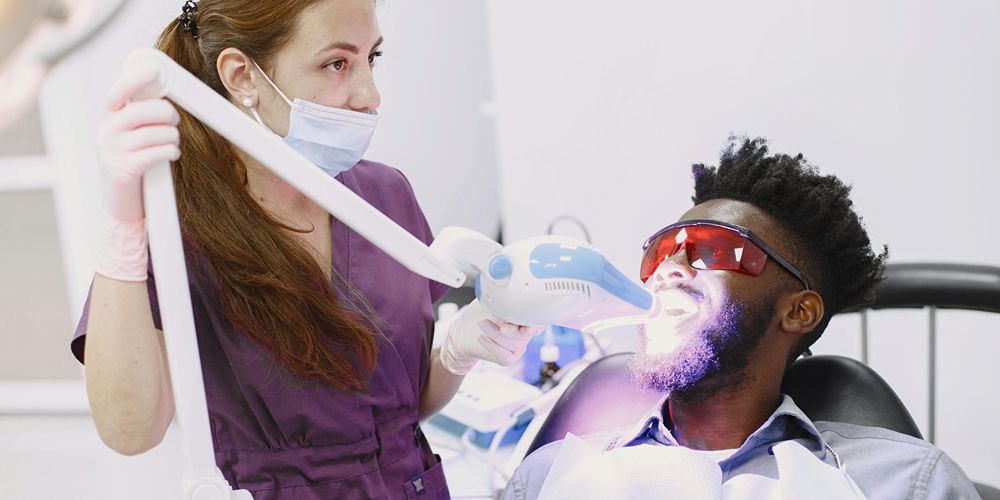
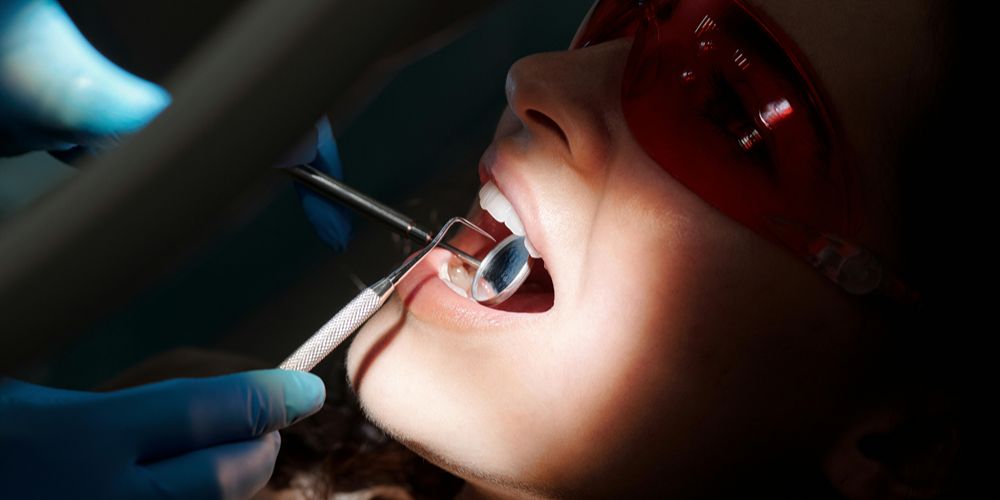
During a professional whitening session, the hydrogen peroxide in the whitening gel opens the pores in your tooth enamel to break down staining compounds beneath the surface. This is what makes the treatment so effective, but it also means your enamel is temporarily more porous and sensitive for the first 24 to 48 hours afterwards, with higher-concentration in-office treatments potentially extending this window up to 72 hours.
Introducing an abrasive toothpaste during this window is a problem. Your enamel is already in a slightly weakened state, and scrubbing it with granular particles can cause micro-damage that wouldn’t happen under normal conditions. It’s worth remembering that enamel doesn’t regenerate, so any wear during this vulnerable period is permanent.
Even once that initial sensitivity window closes, there’s a longer-term concern. Consistent use of highly abrasive whitening toothpaste gradually thins your enamel over months and years. Thinner enamel lets the yellower dentine layer beneath show through more visibly, and that can make your teeth look duller rather than brighter. It’s a counterproductive cycle.
What do dentists recommend after teeth whitening treatment?
The advice from dental professionals is straightforward: use a regular fluoride toothpaste after professional whitening, not a whitening formula. A standard toothpaste with at least 1,350 ppm fluoride (the minimum recommended by the NHS for adults) will protect your enamel, help it remineralise, and keep your teeth clean without causing unnecessary wear.
If you’re prone to sensitivity, a toothpaste designed for sensitive teeth can be particularly useful in the days following treatment. These formulas tend to have a lower RDA value and contain ingredients like potassium nitrate that help calm the nerve responses in your teeth.
The goal after whitening is to protect what you’ve got. Your teeth have been professionally treated with clinical-grade products by a qualified dentist. A tube of toothpaste from the supermarket shelf isn’t going to improve on those results, but it can undermine them.

How to keep your results without whitening toothpaste
Maintaining your smile after professional treatment comes down to a few straightforward habits. None of them involve specialist toothpaste.
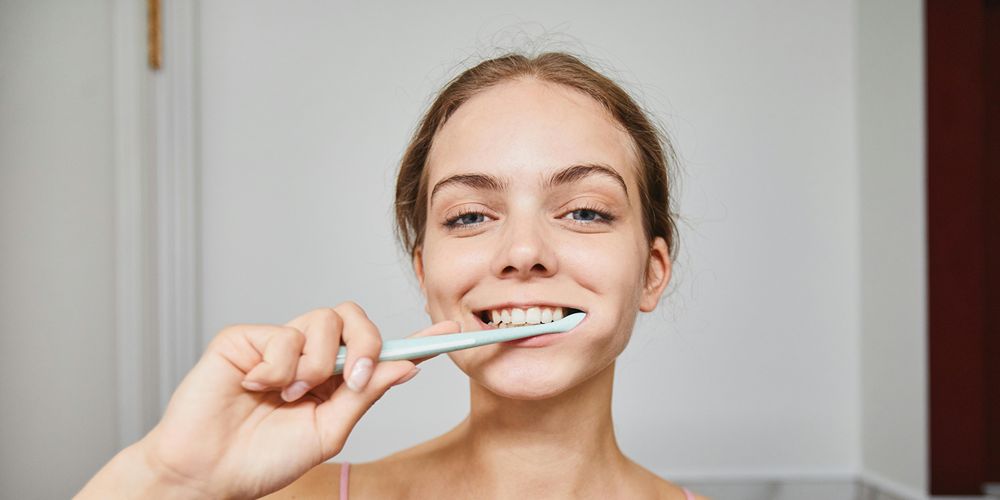
Brushing twice a day with a regular fluoride toothpaste and flossing daily will do more for your teeth than any whitening formula. Plaque build-up is one of the biggest contributors to discolouration, and keeping it under control is the simplest way to maintain white teeth long after your appointment.
Diet plays a big part too. Coffee, red wine, black tea, and dark sauces are among the foods and drinks that stain teeth the most. You don’t need to cut them out entirely, but rinsing your mouth with water after consuming them makes a real difference. Adding milk to your tea or coffee also helps, as it binds to the tannins that cause staining.
Another small but effective habit is to wait around 30 minutes after eating before brushing. Acidic foods temporarily soften enamel, and brushing too soon can cause more wear than if you’d waited for your saliva to neutralise the acid first.
When a touch-up is the better option
If your teeth have started to fade and you’re tempted to try whitening toothpaste to bring them back, a professional touch-up treatment will always be more effective and safer for your enamel. Most people find that a single session every 12 to 18 months is enough to keep their teeth at the shade they want, though this varies depending on diet and lifestyle..
A touch-up works the same way as your original treatment. It takes around 60 minutes, uses the same clinical-grade whitening agent, and delivers visible results in a single session. Compare that with weeks of daily brushing with a whitening toothpaste that can, at best, shift your teeth by one or two surface shades, and the value becomes clear.
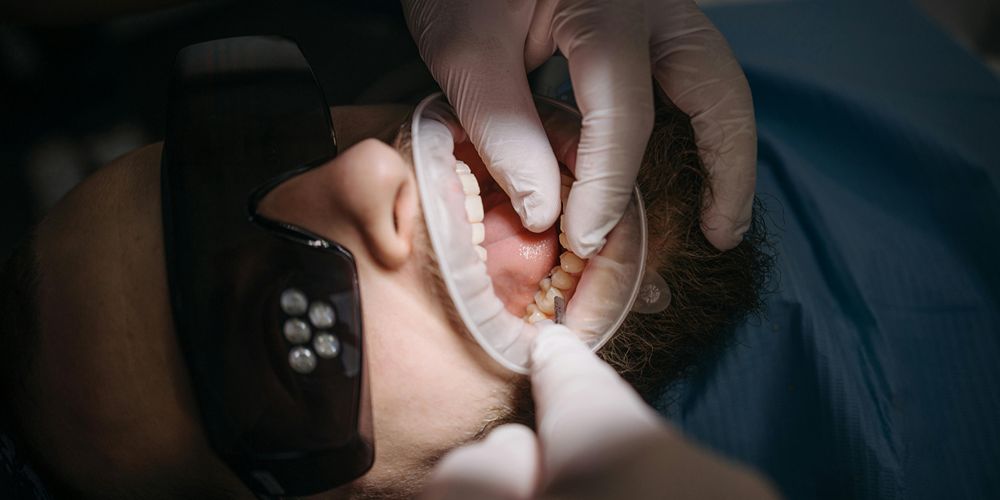
If you’re unsure whether your teeth need a touch-up, a free consultation will give you a definitive answer. Your dentist can compare your current shade against your post-treatment shade using a sample guide and tell you exactly what improvement is achievable.

The final verdict
Whitening toothpaste has its place. For someone who hasn’t had professional treatment and wants to manage mild surface staining, it can offer a modest benefit when used in moderation. But after a professional whitening session, it’s the wrong tool for the job. The abrasives that give it its cleaning power are the same ones that can compromise the enamel you’ve just invested in protecting.
Stick with a regular fluoride toothpaste, maintain good oral hygiene, and book a professional touch-up when your results start to fade. Your teeth will stay brighter for longer, and you won’t risk undoing the work that’s already been done.